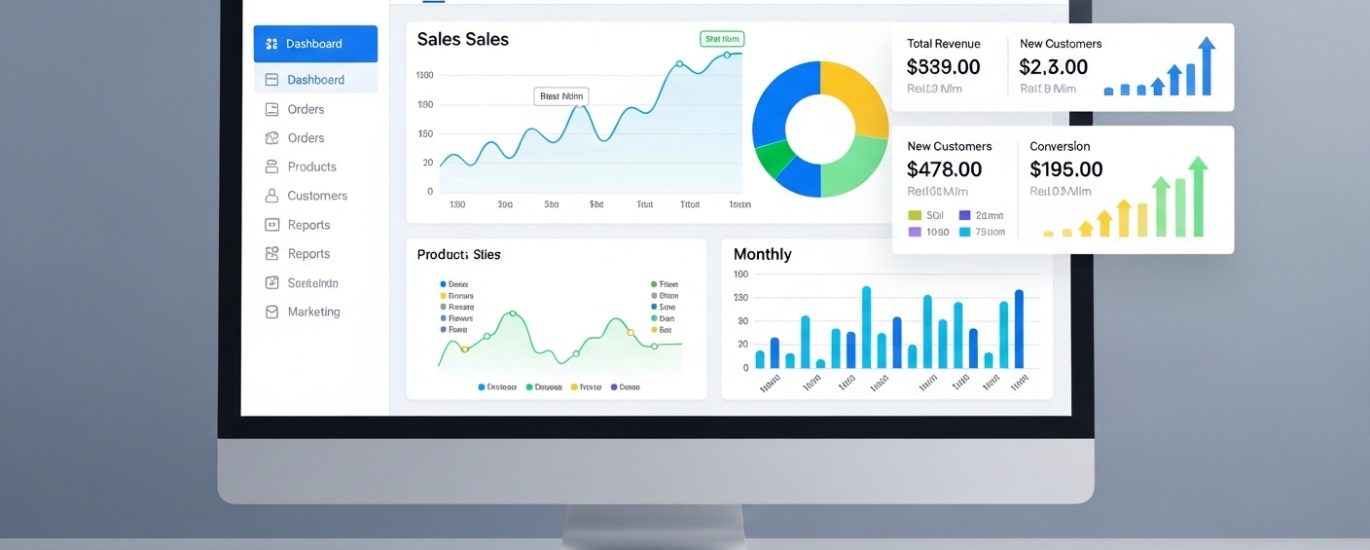
In today’s digital economy, running an e-commerce store goes far beyond uploading products and waiting for orders. With competition increasing every day, simply having an online store isn’t enough — you need smart strategies that attract customers, engage them, and drive conversions.
In this guide, we’ll explore practical, proven steps to increase sales for your e-commerce business — whether you’re just starting or looking to scale.
1. Understand Your Audience Deeply
Before any marketing strategy can be effective, you must know who you’re selling to.
Build Customer Personas
A customer persona is a semi-fictional representation of your ideal buyer based on real data:
- Age
- Gender
- Interests
- Shopping behavior
- Pain points
By understanding your audience, you can tailor your product descriptions, visuals, pricing, and communication style to what resonates with them.
Use Analytics Tools
Tools like Google Analytics, Facebook Insights, and website heatmaps help you understand:
- Which products are most viewed
- Where users drop off
- What marketing channels bring the most traffic
Using this data allows you to focus on what actually works.
2. Optimize Your Website for Sales
Your website is your digital storefront — and just like a real store, it needs to be welcoming, intuitive, and efficient.
Improve Page Load Speed
Slow-loading pages frustrate users and lead to abandoned carts. Compress images, leverage browser caching, and choose a reliable hosting provider.
Simplify Navigation
Organize your site with clear menus, search functionality, and logical categories. Users should be able to find what they want in 3 clicks or less.
Mobile Optimization
With most customers shopping on mobile devices, your site must be responsive and easy to use on phones and tablets.
Enhance Product Pages
Each product page should include:
- High-quality images (multiple angles)
- Clear pricing
- Concise descriptions
- Benefits, not just features
- Customer reviews and ratings
These elements build trust and help customers decide faster.
3. Craft a Compelling Value Proposition
Why should someone buy from your store? What makes your product or service better than the competition?
Your value proposition should be:
- Clear
- Unique
- Persuasive
Examples include:
- Free shipping
- 24/7 customer support
- Money-back guarantee
- Limited-edition products
Display this clearly on your homepage, product pages, and checkout page.
4. Use Social Proof to Build Trust
Customers trust other customers more than brands.
Add Customer Reviews
Reviews build credibility and improve conversions. Make sure you:
- Ask buyers for reviews after purchase
- Display them prominently
- Respond to both positive and negative feedback
Showcase Testimonials
Real customer stories — with photos if possible — add authenticity.
Ratings, Badges, and Endorsements
If your products are featured in media or have certifications, show them off!
5. Leverage High-Impact Marketing Strategies
Bringing traffic to your store is key — but quality traffic that converts is the real goal.
Search Engine Optimization (SEO)
Optimize your store for search engines with:
- Keyword-rich product titles
- Meta descriptions
- Schema markup
- Alt text on images
SEO increases organic traffic over time — and organic traffic converts well.
Paid Advertising
Use:
- Google Shopping Ads
- Facebook & Instagram Ads
- Pinterest Ads (if your niche fits)
Target audiences based on interests, behaviors, and prior engagement.
Email Marketing
Email remains one of the highest-ROI channels. Use it to:
- Send welcome funnels
- Offer discounts
- Share new product launches
- Recover abandoned carts
Automation tools help you send the right message at the right time.
Influencer Marketing
Partner with influencers in your niche. They introduce your brand to engaged followers — often with higher trust than ads.
6. Offer Irresistible Discounts & Promotions
Everyone loves a deal — but your promotions must have strategy behind them:
Limited-Time Offers
Scarcity drives urgency. Countdown timers or time-bound deals can increase conversions.
Bundles & Upsells
Offer product bundles at a slight discount — customers feel they’re getting more value.
Loyalty Programs
Reward repeat buyers with points, discounts, or early access to new products.
Seasonal Sales
Plan promotions around holidays, festivals, or peak shopping seasons.
7. Simplify the Checkout Process
Cart abandonment is a major issue — often due to a complicated checkout.
To improve conversions:
- Allow guest checkout
- Reduce form fields
- Offer multiple payment options
- Provide trust badges (secure payments, money-back guarantee)
- Clearly show shipping costs upfront
Every extra step is a possible lost sale — make buying easy.
8. Retarget Your Visitors
Not all visitors buy on their first visit. Retargeting helps you reconnect with them:
Dynamic Retargeting Ads
Show ads to people who viewed products but didn’t buy.
Email Retargeting
Send automated reminders:
- Abandoned cart emails
- Product viewed emails
- Discount offers
These re-engagement strategies bring back potential customers.
9. Focus on Customer Service & Support
Your customer service shapes your reputation.
Live Chat
Live chat features increase trust and help shoppers make decisions faster.
Fast Response Times
Replying quickly to queries increases satisfaction.
Return Policy
A clear, fair return policy removes buying hesitation.
Happy customers often become repeat buyers and advocates.
10. Analyze, Test, Optimize
Selling online isn’t a one-time setup — it’s an ongoing process.
A/B Testing
Test headlines, images, CTAs, prices, layouts — and improve based on data.
Track Key Metrics
Watch:
- Conversion rate
- Average order value
- Bounce rate
- Customer acquisition cost
- Lifetime value
Use tools like Google Analytics and heatmaps to make data-driven decisions.
Conclusion: Commitment to Growth
Increasing sales for an e-commerce store requires a blend of strategy, optimization, testing, and consistent engagement with your audience. Whether you focus on SEO, paid ads, customer experience, or email marketing, every effort contributes to a better conversion ecosystem.
By understanding your customers, optimizing your store, and leveraging marketing channels wisely, you’ll see tangible growth in your sales and business performance.
Contact Us
If you need help growing your e-commerce sales and want expert support:
Website: https://hurairamarketing.site/
Call / WhatsApp: +92 321 6200476
Email: info@hurairamarketing.site