In today’s competitive business landscape, lead generation has become one of the most important foundations of a successful marketing strategy. Whether your business is a small local service provider or a global enterprise, lead generation shapes how you attract, engage, and convert your ideal customers. But what exactly is lead generation, how does it work, and why should every business care about it?
This in-depth article will walk you through the concept of lead generation, its importance, key strategies, types, best practices, and how to measure success. By the end, you’ll understand why mastering lead generation can transform your sales pipeline and drive sustainable growth.
1. What Is Lead Generation?
Lead generation is the process of attracting prospects (leads) who have shown interest in your product or service and encouraging them to provide their contact information. This may include names, email addresses, phone numbers, job titles, or any data that allows your sales and marketing teams to follow up and nurture these prospects toward a purchase.
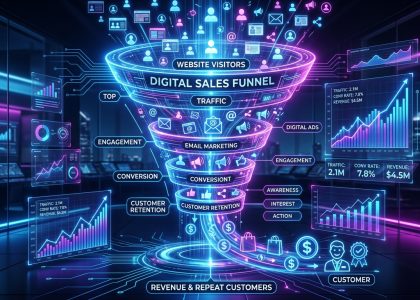
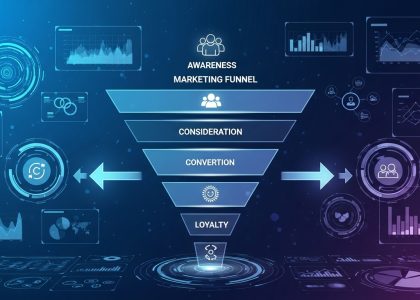
At its core, lead generation bridges the gap between brand awareness and customer conversion.
Example Scenario
If someone visits your website and fills out a form to download a free e-book or subscribe to your newsletter, they become a “lead” — a potential customer you can continue engaging with.
2. The Main Types of Leads
Not all leads are equal. There are a few common classifications:
Marketing Qualified Leads (MQLs)
These are individuals who have engaged with your marketing materials but may not yet be ready to buy. For example, someone who signs up for your email list.
Sales Qualified Leads (SQLs)
These leads have expressed stronger buying intent — such as booking a demo or asking for pricing — making them more sales-ready.
Product Qualified Leads (PQLs)
In SaaS or digital products, a PQL is someone who has used your product (like a free trial) and shown intent to upgrade to a paid plan.
3. Why Lead Generation Matters for Every Business
Lead generation is the lifeblood of any business for several key reasons:
1. Helps You Find Your Target Audience
Instead of waiting for customers to stumble upon your brand, lead generation proactively identifies people who are most likely to want or need your products or services.
2. Builds a Sales Pipeline
Without new leads entering your funnel, your sales opportunities dry up. Lead generation keeps the pipeline full and moving.
3. Improves Conversions
With proper follow-up and lead nurturing, you can guide prospects through the buyer’s journey — from awareness to purchase — increasing overall conversions.
4. Reduces Acquisition Costs
Compared to cold outreach or traditional advertising, effective inbound lead generation can lower customer acquisition costs by attracting people who already want value.
5. Enhances Customer Insights
Every lead interaction gives valuable data — what content they engage with, questions they ask, and what motivates them — which you can use to improve your messaging, offers, and product development.
4. How Lead Generation Works: Step-by-Step
1. Attract
The first stage involves attracting potential customers using content, SEO, ads, social media, and other channels.
2. Engage
Once someone visits your site or sees your content, you engage them with valuable resources — webinars, blogs, quizzes, videos, or free tools.
3. Capture
This is when you get their contact information, usually in exchange for value. Common methods include:
- Signup forms
- Landing pages
- Lead magnets (e.g., e-books)
- Contests and giveaways
4. Nurture
Now that you have their contact info, you continue engaging them through email sequences, follow-ups, SMS, or retargeting ads.
5. Convert
Finally, a nurtured lead is directed toward a sale — a consultation, purchase, booking, or subscription.
5. Common Lead Generation Strategies
There are countless strategies, but here are the ones that deliver results:
1. Content Marketing
Publishing blogs, guides, videos, and infographics that answer your audience’s questions.
2. Social Media Marketing
Using platforms like Facebook, Instagram, LinkedIn, and TikTok to attract and interact with potential leads.
3. Search Engine Optimization (SEO)
Ranking high on Google so that your target customers find you organically.
4. Paid Advertising
Running targeted ads on Google Ads, Facebook Ads, LinkedIn Ads, or TikTok Ads to generate instant traffic and leads.
5. Email Marketing
Sending regular newsletters, offers, and educational emails to nurture leads.
6. Webinars & Live Events
Hosting online presentations that provide value and gather participants’ contact details.
7. Referral Programs
Encouraging your existing customers to refer new leads in exchange for incentives.
6. Lead Generation in the Digital Age
Traditional methods — like cold calling or print ads — still exist, but they are significantly less effective than digital approaches.
Why Digital Works Better
- People search online before making decisions
- You can track and optimize results
- Ads can be hyper-targeted
- Content attracts leads organically over time
Digital tools like marketing automation, analytics dashboards, CRM systems, and AI-powered personalization make the whole process smarter and more efficient.
7. How to Qualify Leads Effectively
Not all leads are worth your time. Lead qualification helps determine which leads are truly sales-ready.
Qualification Criteria
- Interest Level — Have they interacted with key content?
- Fit — Do they match your ideal customer profile?
- Engagement — How often do they interact with your brand?
- Intent — Have they taken buying actions?
Tools like lead scoring and automated triggers help marketing and sales focus on the most promising leads first.
8. Challenges in Lead Generation
Generating leads is easier said than done. Common pain points include:
- Low website traffic
- Poor-converting landing pages
- Weak call-to-action (CTA)
- Inadequate follow-up
- Low lead quality
- High advertising costs
However, with proper optimization, testing, and strategy refinement, these challenges can be solved.
9. Measuring Lead Generation Success
Metrics matter. Here are key performance indicators (KPIs) you should track:
- Number of Leads Generated
- Cost Per Lead (CPL)
- Conversion Rate
- Lead Source Performance
- Return on Investment (ROI)
- Lead Quality Score
Regular measurement helps you see what’s working and where improvements are needed.
10. Final Thoughts: Why You Should Invest in Lead Generation
Lead generation is no longer optional — it’s a critical engine for business growth. Whether you’re a startup, e-commerce store, service provider, or B2B company, a well-structured lead generation strategy fuels brand growth, improves conversions, and ensures long-term sustainability.
If your business is struggling with generating qualified leads or converting them into customers, you’re not alone. The good news is that with the right approach — consistent strategy, compelling content, and smart optimization — you can build a predictable flow of leads that drive revenue.
Ready to Grow Your Leads and Revenue?
At Huraira Marketing, we specialize in lead generation, digital marketing, and conversion optimization that helps businesses win online.
Visit: https://hurairamarketing.site/
Call / WhatsApp: +92 321 6200476
Mail: info@hurairamarketing.site