In today’s competitive online marketplace, simply having a website or running ads is no longer enough to generate consistent sales. Businesses need a structured and strategic approach to guide potential customers from awareness to purchase—and that’s where digital funnels come into play.
A digital funnel is a step-by-step process that turns strangers into paying customers by nurturing them through different stages of the buying journey. When implemented correctly, digital funnels can dramatically increase conversions, improve customer relationships, and maximize your return on investment (ROI).
In this article, we’ll explore what digital funnels are, how they work, and how you can use them to boost your sales effectively.
What Is a Digital Funnel?
A digital sales funnel is a marketing strategy that maps out the journey a customer takes—from first discovering your brand to making a purchase (and even beyond).
The term “funnel” is used because at the top, you attract a large audience, and as they move through the stages, only the most interested prospects continue until they convert into customers.
Key Stages of a Digital Funnel:
- Awareness
- Interest
- Consideration
- Conversion
- Retention
Each stage requires different content, messaging, and strategies to move prospects closer to buying.
Why Digital Funnels Are Important for Sales

Digital funnels are essential because they eliminate guesswork and provide a clear path for customer conversion.
Key Benefits:
- Increased Conversion Rates
- Better Audience Targeting
- Improved Customer Experience
- Higher ROI on Marketing Campaigns
- Automated Sales Process
Without a funnel, you’re essentially trying to sell to everyone at once—which rarely works.
Stage 1: Awareness – Attracting the Right Audience

The first step in any digital funnel is making people aware of your business.
Strategies for Awareness:
- Social media marketing
- SEO (Search Engine Optimization)
- Paid advertising (Facebook Ads, Google Ads)
- Content marketing (blogs, videos)
At this stage, your goal is not to sell but to capture attention.
Example:
A user sees your Facebook ad about digital marketing services. They don’t know your brand yet, but your ad grabs their attention.
Stage 2: Interest – Engaging Your Audience

Once people know about you, the next step is to spark their interest.
How to Build Interest:
- Offer valuable content (guides, tips, tutorials)
- Use lead magnets (free eBooks, checklists)
- Create engaging landing pages
Key Tip:
Focus on solving problems, not selling services.
Example:
You offer a free guide titled “10 Ways to Grow Your Business Online” in exchange for their email.
Stage 3: Consideration – Building Trust

At this stage, potential customers are evaluating whether your product or service is right for them.
Effective Strategies:
- Email marketing campaigns
- Case studies and testimonials
- Product demos or consultations
- Retargeting ads
Why This Stage Matters:
Trust is the biggest factor in purchasing decisions. If customers don’t trust you, they won’t buy from you.
Example:
You send emails showing how your services helped other businesses increase their sales.
Stage 4: Conversion – Turning Leads into Customers
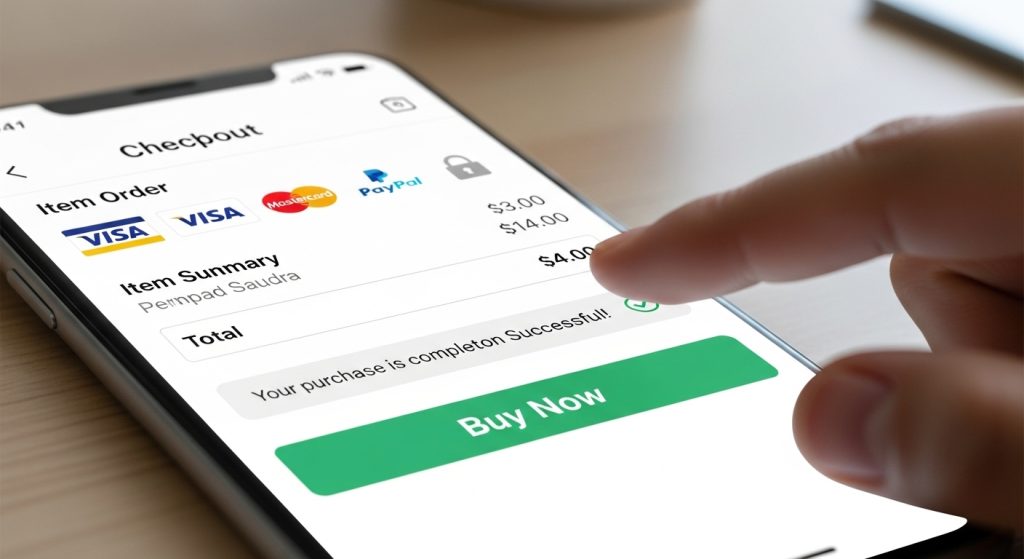
This is where the magic happens—your leads become paying customers.
Conversion Techniques:
- Strong Call-to-Action (CTA)
- Limited-time offers
- Discounts or bonuses
- Easy checkout process
Key Tip:
Remove friction. The easier it is to buy, the higher your conversion rate.
Example:
You offer a limited-time discount on your digital marketing package with a clear “Contact Now” button.
Stage 5: Retention – Keeping Customers Coming Back

Most businesses focus only on acquiring customers, but retention is where real profit lies.
Retention Strategies:
- Follow-up emails
- Loyalty programs
- Exclusive offers
- Excellent customer support
Why Retention Is Important:
It costs 5x more to acquire a new customer than to retain an existing one.
How Digital Funnels Increase Sales

Let’s break down exactly how funnels boost your revenue:
1. They Guide Customers Step-by-Step
Instead of overwhelming users, funnels provide a structured journey that leads them toward a purchase.
2. They Improve Targeting
Funnels allow you to show the right message to the right audience at the right time.
3. They Build Trust Automatically
Through emails, content, and retargeting, funnels nurture relationships without manual effort.
4. They Automate Your Marketing
Once set up, funnels can run 24/7—bringing in leads and sales even while you sleep.
5. They Increase Customer Lifetime Value
Funnels don’t just sell once—they create repeat customers.
Types of Digital Funnels You Can Use
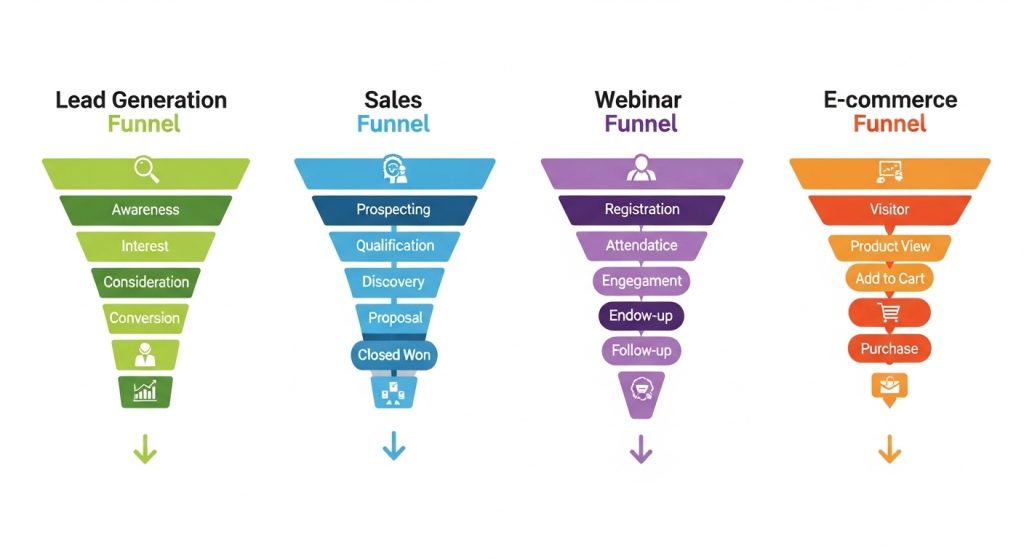
1. Lead Generation Funnel
- Goal: Collect emails or contact details
- Tools: Landing pages, forms, lead magnets
2. Sales Funnel
- Goal: Convert leads into customers
- Tools: Sales pages, checkout systems
3. Webinar Funnel
- Goal: Educate and sell through live or recorded webinars
4. E-commerce Funnel
- Goal: Drive product sales
- Includes: Product pages, cart, checkout
Tools Needed to Build a Digital Funnel
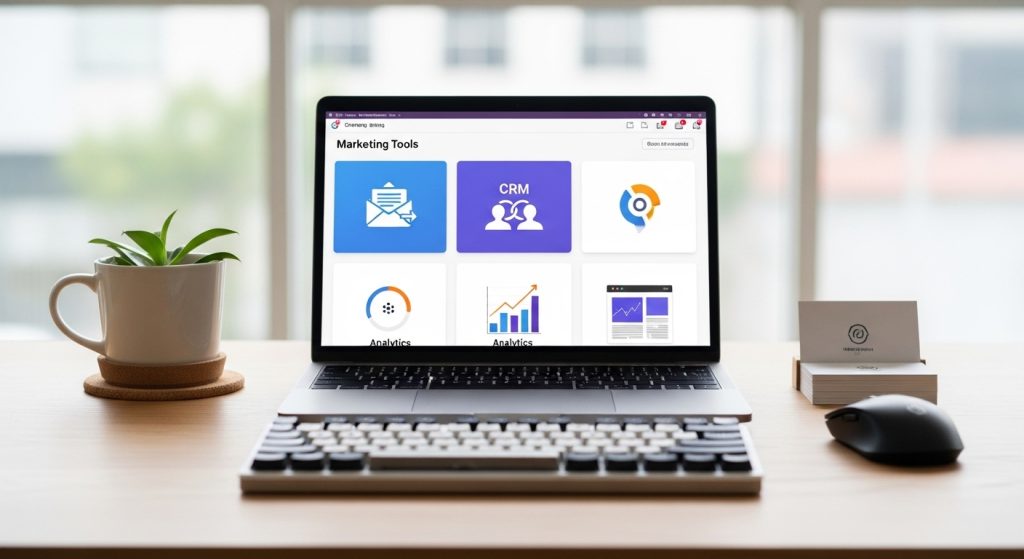
To create an effective funnel, you’ll need the right tools:
Essential Tools:
- Landing page builders
- Email marketing software
- CRM systems
- Analytics tools
Popular Options:
- ClickFunnels
- Mailchimp
- HubSpot
- Google Analytics
Common Mistakes to Avoid

Even though digital funnels are powerful, many businesses fail due to simple mistakes.
1. Targeting the Wrong Audience
If your audience is wrong, your funnel won’t work.
2. Weak Call-to-Actions
If you don’t tell users what to do next, they won’t act.
3. Ignoring Mobile Users
Most traffic comes from mobile—optimize your funnel accordingly.
4. Lack of Follow-Up
Many sales happen after multiple touchpoints.
5. Complicated Funnels
Keep it simple. Complexity reduces conversions.
How to Create a High-Converting Digital Funnel

Follow these steps to build your own funnel:
Step 1: Define Your Goal
Do you want leads, sales, or sign-ups?
Step 2: Know Your Audience
Understand their needs, problems, and behavior.
Step 3: Create a Lead Magnet
Offer something valuable for free.
Step 4: Build a Landing Page
Keep it simple, clear, and focused.
Step 5: Set Up Email Automation
Nurture leads with valuable content.
Step 6: Add a Sales Offer
Introduce your product or service.
Step 7: Track and Optimize
Use analytics to improve performance.
Real-Life Example of a Digital Funnel
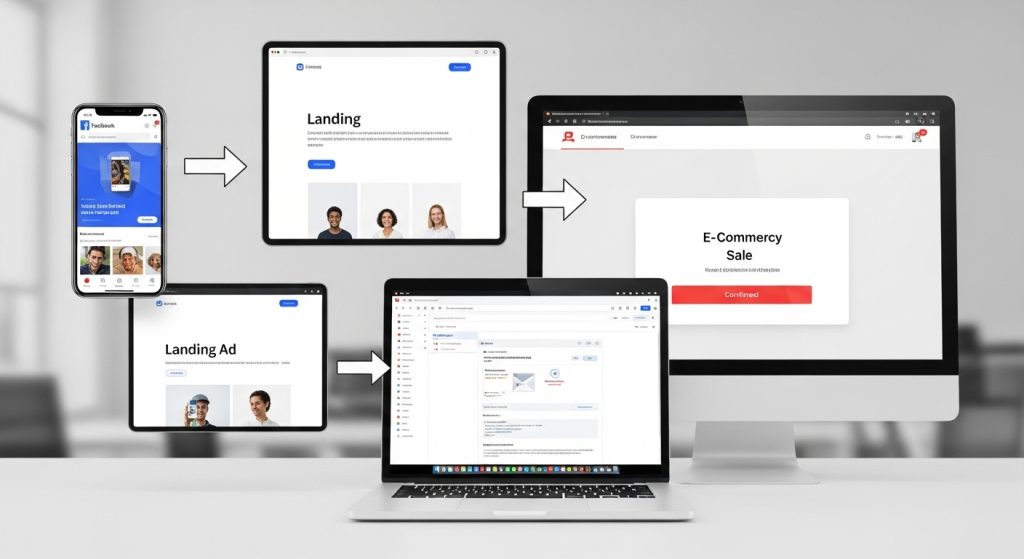
Let’s say you run a digital marketing agency:
- Run a Facebook ad offering a free consultation
- User clicks and lands on your website
- They fill out a form (lead captured)
- You send follow-up emails
- Offer your services
- Convert them into a client
This simple funnel can generate consistent leads and sales.
Future of Digital Funnels

Digital funnels are evolving with technology:
Trends to Watch:
- AI-powered personalization
- Chatbot automation
- Voice search optimization
- Video funnels
Businesses that adapt to these trends will stay ahead of the competition.
Conclusion

Digital funnels are no longer optional—they are essential for any business that wants to grow online. By guiding potential customers through a structured journey, you can increase conversions, build trust, and maximize your sales.
Whether you’re a beginner or an experienced marketer, investing in a well-designed funnel can transform your business and create a predictable stream of income.
Grow Your Business with Expert Digital Marketing

If you want to build high-converting digital funnels for your business, we can help you achieve real results.
Website: https://hurairamarketing.site/
Call / WhatsApp: +92 321 6200476
Email: info@hurairamarketing.site