Search Engine Optimization (SEO) is one of the most powerful ways to grow your online presence, attract targeted traffic, and increase conversions. However, many businesses invest time and money into SEO without seeing results — not because SEO doesn’t work, but because they are making critical mistakes.
If your website isn’t ranking on search engines like Google, chances are you’re unknowingly sabotaging your own efforts. In this article, we’ll break down the most common SEO mistakes that prevent websites from ranking and how you can fix them to achieve better visibility and growth.
1. Ignoring Keyword Research

One of the biggest SEO mistakes is skipping proper keyword research. Many website owners guess what people are searching for instead of using actual data.
Why it’s a problem:
Without targeting the right keywords, your content won’t match user intent, and search engines won’t rank it.
How to fix it:
- Use tools like Google Keyword Planner, Ahrefs, or SEMrush
- Focus on long-tail keywords (e.g., “digital marketing services in Pakistan”)
- Analyze competitor keywords
- Match keywords with user intent (informational, transactional, navigational)
2. Keyword Stuffing
While keywords are important, overusing them can harm your rankings instead of improving them.
Why it’s a problem:
Search engines consider keyword stuffing as spammy behavior, which can lead to penalties.
How to fix it:
- Use keywords naturally in your content
- Focus on readability first
- Include variations and synonyms
- Maintain a keyword density of around 1–2%
3. Poor Quality Content

Content is the backbone of SEO. If your content is thin, duplicate, or irrelevant, your website will struggle to rank.
Why it’s a problem:
Search engines prioritize valuable, informative, and engaging content.
How to fix it:
- Write original, in-depth articles (like this one)
- Answer user questions clearly
- Update old content regularly
- Avoid duplicate content
4. Not Optimizing for Mobile Users

With most users browsing on mobile devices, having a mobile-friendly website is essential.
Why it’s a problem:
Google uses mobile-first indexing, meaning it primarily evaluates your mobile site for ranking.
How to fix it:
- Use responsive design
- Optimize images and loading speed
- Ensure buttons and text are easy to use on mobile
5. Slow Website Speed

Page speed is a critical ranking factor. A slow website leads to high bounce rates and poor user experience.
Why it’s a problem:
Users leave if your site takes more than a few seconds to load.
How to fix it:
- Compress images
- Use caching
- Minimize CSS and JavaScript
- Choose a reliable hosting provider
6. Missing Meta Tags and Descriptions

Meta titles and descriptions help search engines understand your content and attract users to click.
Why it’s a problem:
Without optimized meta tags, your pages may not appear appealing in search results.
How to fix it:
- Add unique meta titles for each page
- Include primary keywords
- Write compelling descriptions to improve CTR
7. Lack of Backlinks

Backlinks (links from other websites to yours) are a major ranking factor.
Why it’s a problem:
Without backlinks, your website lacks authority in the eyes of search engines.
How to fix it:
- Create high-quality content others want to link to
- Guest post on relevant blogs
- Build relationships with industry websites
- Submit your site to directories
8. Ignoring Technical SEO

Technical SEO ensures your website is easy for search engines to crawl and index.
Why it’s a problem:
Even great content won’t rank if search engines can’t access it.
How to fix it:
- Use an XML sitemap
- Fix broken links
- Improve site structure
- Ensure proper indexing in Google Search Console
9. Not Using Analytics and Tracking

Many website owners don’t track their SEO performance, making it impossible to improve.
Why it’s a problem:
Without data, you don’t know what’s working and what isn’t.
How to fix it:
- Use Google Analytics
- Monitor traffic, bounce rate, and conversions
- Track keyword rankings
- Adjust strategy based on data
10. Ignoring Local SEO

If you run a local business, ignoring local SEO can cost you valuable customers.
Why it’s a problem:
You miss out on people searching for services in your area.
How to fix it:
- Optimize your Google Business Profile
- Use location-based keywords
- Collect customer reviews
- Add your business to local directories
11. Duplicate Content Issues

Duplicate content confuses search engines and can hurt your rankings.
Why it’s a problem:
Search engines don’t know which version to rank.
How to fix it:
- Use canonical tags
- Avoid copying content from other sites
- Create unique content for each page
12. Poor URL Structure

Your URLs should be clean, readable, and keyword-rich.
Why it’s a problem:
Messy URLs make it harder for users and search engines to understand your content.
How to fix it:
- Keep URLs short and simple
- Include target keywords
- Avoid unnecessary numbers or symbols
13. Not Optimizing Images
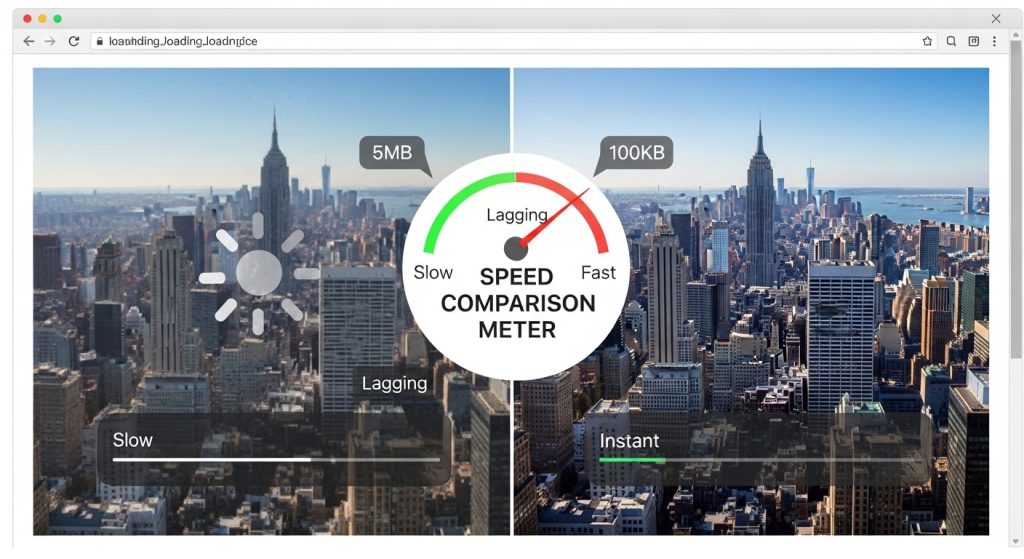
Images can improve user experience, but they must be optimized for SEO.
Why it’s a problem:
Large, unoptimized images slow down your website.
How to fix it:
- Use descriptive file names
- Add alt text with keywords
- Compress images for faster loading
14. Ignoring User Experience (UX)

SEO is not just about search engines — it’s also about users.
Why it’s a problem:
Poor user experience leads to higher bounce rates and lower rankings.
How to fix it:
- Improve website navigation
- Use clear headings and structure
- Make content easy to read
- Add internal links
15. Lack of Consistent Content Updates

SEO is not a one-time task. Many websites stop updating content after publishing.
Why it’s a problem:
Outdated content loses relevance and rankings over time.
How to fix it:
- Regularly update blog posts
- Add new information and keywords
- Refresh old content to keep it relevant
Final Thoughts
SEO is a long-term strategy that requires consistency, patience, and the right approach. Avoiding these common mistakes can significantly improve your website’s chances of ranking higher on search engines.
If you want to grow your business online, increase traffic, and generate more leads, investing in proper SEO practices is essential.
Need Help With SEO?
If you’re struggling with SEO or want professional help to rank your website on Google, we’re here for you.
Website: https://hurairamarketing.site/
Call / WhatsApp: +92 321 6200476
Email: info@hurairamarketing.site
Let’s take your website to the top of search results and grow your business online!