In today’s competitive digital marketplace, marketing is no longer based on guesswork. Successful businesses rely on data and measurable performance indicators to understand whether their marketing strategies are working or not. These measurable indicators are known as marketing metrics or Key Performance Indicators (KPIs).
Marketing metrics help businesses evaluate campaign performance, improve customer acquisition strategies, and maximize return on investment. Without tracking the right metrics, business owners may spend large amounts on marketing but fail to generate meaningful results.
This article explains the most important marketing metrics every business owner should understand, why they matter, and how they help businesses grow.
What Are Marketing Metrics?

Marketing metrics are measurable values used to track and analyze the effectiveness of marketing campaigns. They help businesses determine whether their marketing efforts are achieving their goals, such as generating leads, increasing brand awareness, or boosting sales.
Marketing metrics also connect marketing activities to real business outcomes like revenue and profitability. This concept is known as marketing accountability, where marketing performance is evaluated based on measurable results rather than assumptions.
For example, a company running Facebook or Google ads might measure:
- Number of website visitors
- Cost per lead
- Conversion rate
- Revenue generated from ads
These numbers provide clear insights into what strategies are working and where improvements are needed.
Why Marketing Metrics Are Important for Businesses

Tracking marketing metrics provides several benefits for businesses of all sizes.
1. Better Decision Making
Data-driven decisions reduce risk. When you know which campaigns generate the most leads or sales, you can invest more in those strategies.
2. Improved Marketing Efficiency
Marketing metrics reveal which channels perform best. This allows businesses to allocate budgets more effectively.
3. Higher Return on Investment
Monitoring performance ensures that marketing budgets produce measurable profits.
4. Understanding Customer Behavior
Metrics provide insights into customer preferences, helping businesses create better marketing strategies.
5. Long-Term Growth
Businesses that consistently track metrics can identify trends, optimize campaigns, and achieve sustainable growth.
1. Customer Acquisition Cost (CAC)

Customer Acquisition Cost (CAC) measures how much it costs to acquire a new customer through marketing and sales efforts.
Formula
CAC = Total Marketing & Sales Cost ÷ Number of New Customers
For example, if a business spends $5,000 on marketing and gains 100 customers, the CAC is $50 per customer.
Why CAC Matters
CAC helps businesses determine whether their marketing efforts are profitable. If acquiring a customer costs more than the revenue they generate, the business may lose money.
Tips to Improve CAC
- Optimize advertising campaigns
- Improve targeting strategies
- Increase conversion rates
- Use automation and email marketing
2. Customer Lifetime Value (CLV)

Customer Lifetime Value (CLV) represents the total revenue a business expects from a customer during their relationship with the company.
Formula
CLV = Average Purchase Value × Purchase Frequency × Customer Lifespan
For example:
If a customer spends $50 per purchase, buys 4 times a year, and remains a customer for 5 years:
CLV = $50 × 4 × 5 = $1000
Why CLV Matters
CLV helps businesses determine how much they can spend to acquire new customers while remaining profitable.
Strategy Tip
A healthy business usually keeps CLV at least three times higher than CAC.
3. Conversion Rate
Conversion Rate measures the percentage of visitors who complete a desired action, such as making a purchase or filling out a form.
Formula
Conversion Rate = (Conversions ÷ Total Visitors) × 100
For example, if 100 people visit a website and 5 make a purchase, the conversion rate is 5%.
Why It Matters
Conversion rate shows how effective a website, landing page, or ad campaign is at turning visitors into customers.
How to Improve Conversion Rate
- Improve landing page design
- Use clear call-to-action buttons
- Offer discounts or incentives
- Optimize page loading speed
4. Click-Through Rate (CTR)
Click-Through Rate (CTR) measures how many people click on a link or advertisement after seeing it.
Formula
CTR = (Clicks ÷ Impressions) × 100
CTR is commonly used in digital advertising campaigns and email marketing.
Why CTR Is Important
A high CTR indicates that your advertisement or content is attractive and relevant to your audience.
Tips to Improve CTR
- Write compelling ad copy
- Use attractive visuals
- Target the right audience
- Test different headlines
5. Cost Per Lead (CPL)
Cost Per Lead (CPL) measures how much it costs to generate a single lead.
Formula
CPL = Total Marketing Spend ÷ Total Leads Generated
For example, if a campaign costs $1000 and generates 50 leads, the CPL is $20.
Why CPL Matters
CPL helps businesses determine which marketing channels generate leads most efficiently.
Best Practices
- Use optimized landing pages
- Offer free resources or guides
- Improve targeting strategies
6. Return on Investment (ROI)
Return on Investment (ROI) measures the profitability of marketing campaigns.
Formula
ROI = (Revenue – Marketing Cost) ÷ Marketing Cost × 100
For example, if a campaign generates $10,000 in profit with $2,000 spent on marketing, the ROI is 400%.
Why ROI Is Critical
ROI directly shows whether marketing efforts are profitable.
Many experts consider a marketing ROI of 5:1 to be strong performance.
7. Return on Ad Spend (ROAS)
ROAS measures how much revenue a business earns for every dollar spent on advertising.
Formula
ROAS = Revenue from Ads ÷ Advertising Cost
For example:
If you spend $1000 on ads and generate $5000 in revenue:
ROAS = 5x
Why ROAS Matters
ROAS helps marketers evaluate which ad campaigns are profitable and scalable.
8. Website Traffic
Website traffic measures how many people visit your website.
Types of Traffic
- Organic traffic (search engines)
- Paid traffic (advertising)
- Social media traffic
- Direct traffic
Why Traffic Matters
Traffic shows how effective your marketing strategies are at attracting potential customers.
However, traffic alone is not enough — it must convert into leads or sales.
9. Customer Retention Rate
Customer Retention Rate measures the percentage of customers who continue doing business with your company over time.
Formula
Retention Rate = ((Customers End – New Customers) ÷ Customers Start) × 100
Why Retention Matters
Retaining customers is often cheaper than acquiring new ones.
Strong retention indicates customer satisfaction and loyalty.
10. Engagement Rate
Engagement rate measures how audiences interact with your content on social media platforms.
Engagement includes
- Likes
- Comments
- Shares
- Saves
Why Engagement Matters
High engagement signals strong brand interest and can improve organic reach on platforms like Facebook and Instagram.
How Businesses Can Track Marketing Metrics
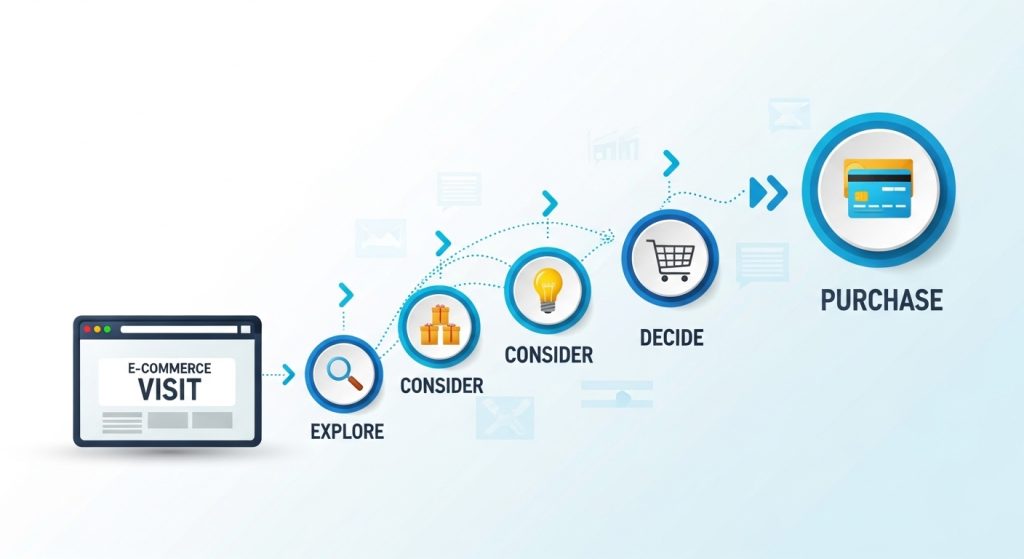
To track marketing metrics effectively, businesses should use analytics tools such as:
- Google Analytics
- Facebook Ads Manager
- CRM software
- Email marketing platforms
These tools provide valuable data about customer behavior, campaign performance, and sales outcomes.
Common Mistakes When Tracking Marketing Metrics

Many businesses track metrics incorrectly. Some common mistakes include:
1. Tracking Too Many Metrics
Focus on metrics that directly impact revenue.
2. Ignoring Customer Lifetime Value
Long-term customer value is often more important than short-term sales.
3. Not Testing Marketing Strategies
A/B testing helps businesses identify the most effective campaigns.
4. Ignoring Data Trends
Look for patterns over time rather than short-term fluctuations.
Final Thoughts
Marketing metrics are essential for measuring the success of business marketing strategies. Without tracking the right numbers, businesses risk wasting marketing budgets and missing growth opportunities.
The most important metrics every business owner should monitor include:
- Customer Acquisition Cost (CAC)
- Customer Lifetime Value (CLV)
- Conversion Rate
- Click-Through Rate (CTR)
- Cost Per Lead (CPL)
- Return on Investment (ROI)
- Return on Ad Spend (ROAS)
- Website Traffic
- Customer Retention Rate
- Engagement Rate
By consistently analyzing these metrics, businesses can make smarter marketing decisions, improve customer acquisition strategies, and increase overall profitability.
About Huraira Marketing
If you want to grow your business with professional digital marketing strategies, Huraira Marketing is here to help.
Website: https://hurairamarketing.site/
Call / WhatsApp: +92 321 6200476
Email: info@hurairamarketing.site
We specialize in lead generation, Facebook advertising, website development, and online business growth strategies.